Signposting the Peaks and Paths

Sign at the junction of five paths near Alderwasley

Many progressive social movements, such as the Cooperative Society, started in the Manchester area, and in 1894 this was the birthplace of one of Britain’s oldest footpath protection clubs, the Peak and Northern Footpath Society. Today it operates in Lancashire, parts of Yorkshire, Derbyshire, Cheshire and Staffordshire, with its headquarters in Stockport. Partly thanks to the pandemic, which drove so many people to explore their local areas, the society has become even stronger and more active, with over 1,300 members. To some extent this may also be the result of so many local authorities being unable or unwilling to maintain the footpath network.
An early model

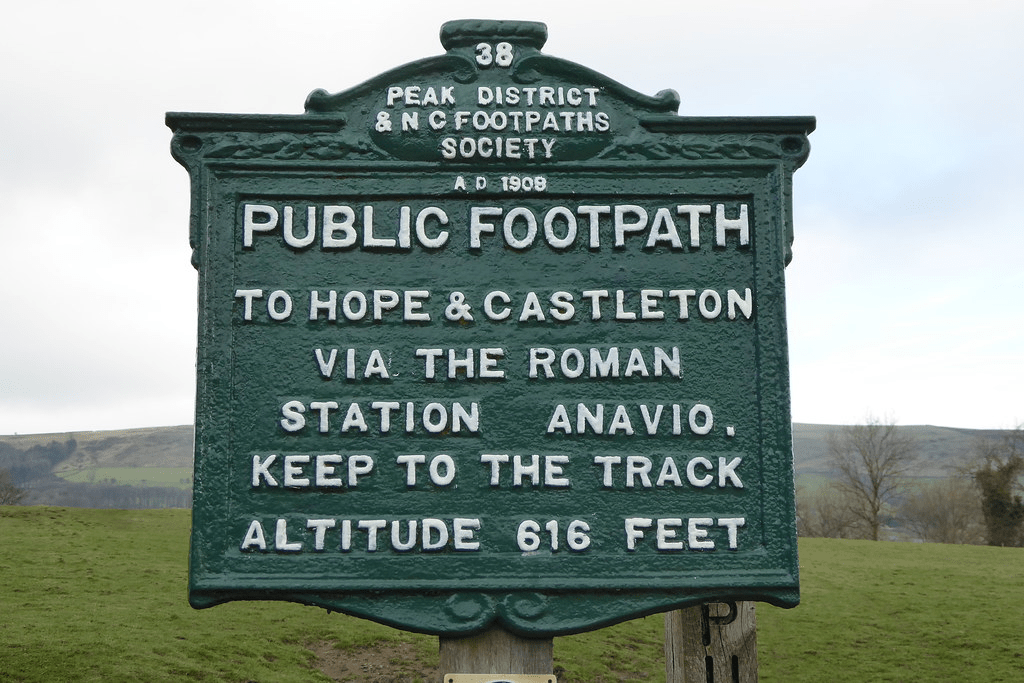
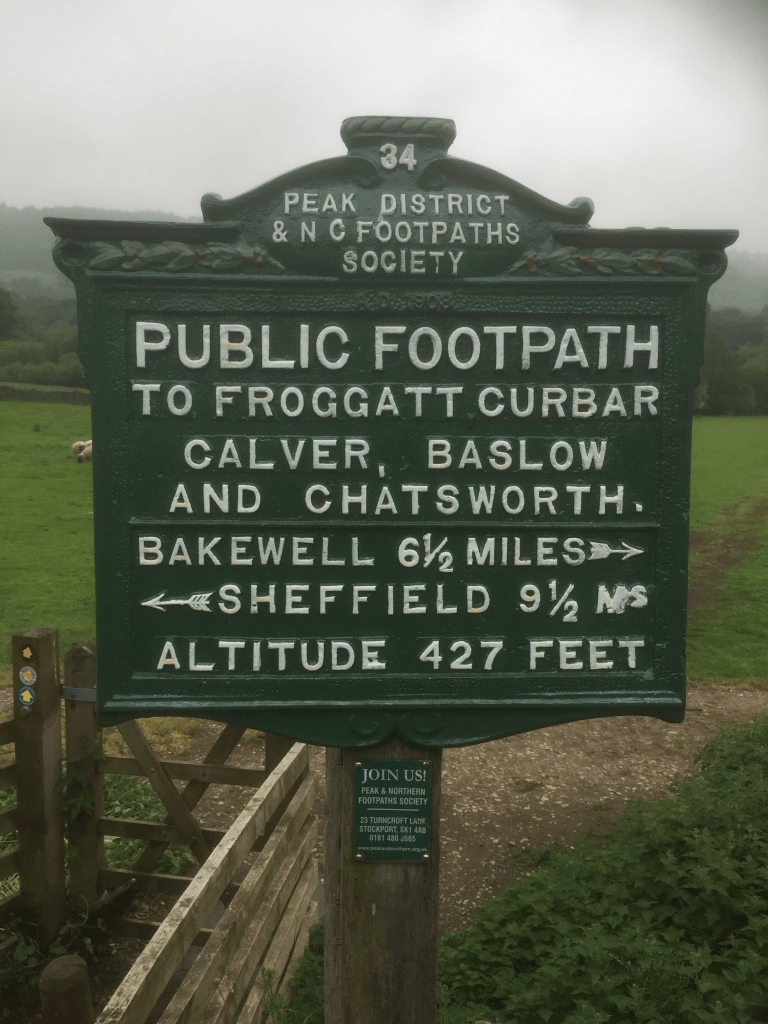
Originally founded to obtain access to the high moors of Kinderscout, the society developed a concern for all rights of way for walkers in its area. It soon started to mark these with its distinctive signposts, a vital reassurance at a time when many walkers could not afford maps (while map apps hadn’t even been dreamed of!) Today there are over 550 distinctive aluminium signposts scattered around the five counties, maintained by a team of dedicated volunteers. In fact the PNFS is entirely run by volunteers, a remarkable example of cooperative achievement. These volunteers include 172 footpath inspectors in 730 parishes who regularly walk the paths and report any faults to a path database.
Another popular route

Although a great deal of fuss is made of the so-called ‘Mass Trespass’ of 1932 the PNFS has been effectively defending the rights of walkers for well over 100 years, challenging planning applications and forcing landowners to open up paths that they were trying to block. In addition, the Society has also helped pay for many footbridges at crucial points of the path network, and organises a regular programme of long-ish (and longer) walks on both sides of the Pennines. A quarterly magazine, inevitably called ‘Signpost’ keeps members informed of developments. Why not join – it’s only £15 per year? See: http://www.peakandnorthern.org.uk/
Walkers, hikers or ramblers?

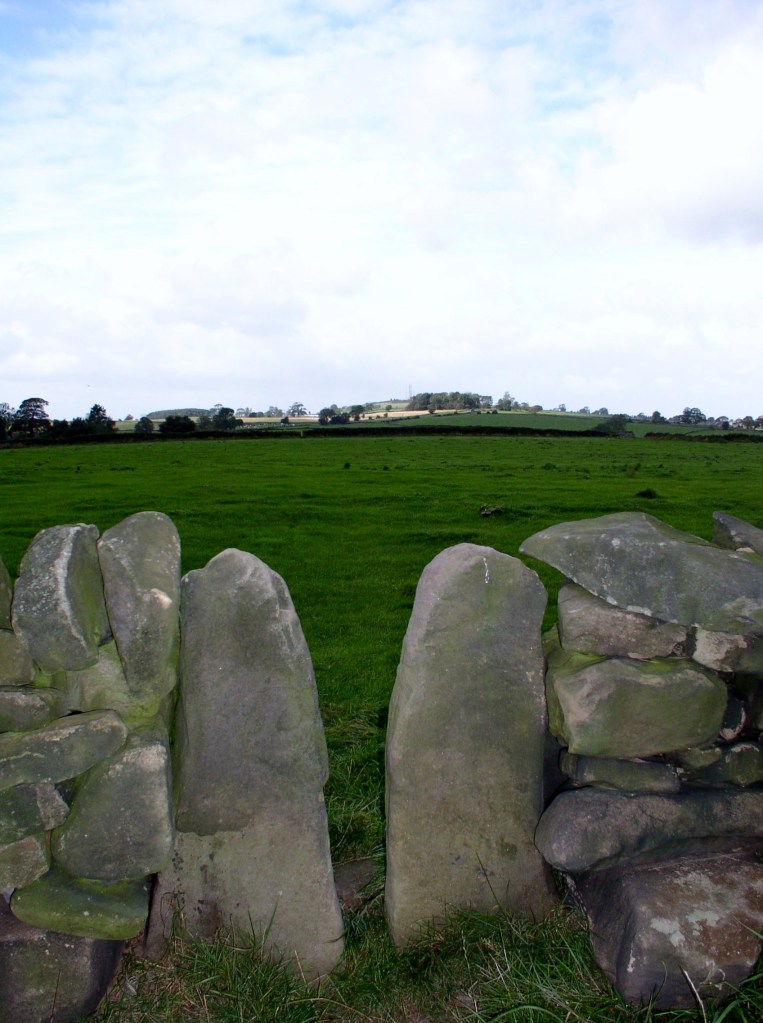
Squeeze style on path to Alport Height

Many of our field paths were created by people walking to work, possibly in mines or mills. With the enclosure of moors and commons in the late eighteenth or early nineteenth centuries and the building of drystone walls to delineate the new fields, these routes became fossilised, often marked by a series of squeeze stiles, as on the path above. Today the mills and mines have gone, yet the paths are kept open by walkers – a leisure activity that would probably have surprised the mill hands of Arkwright’s day.

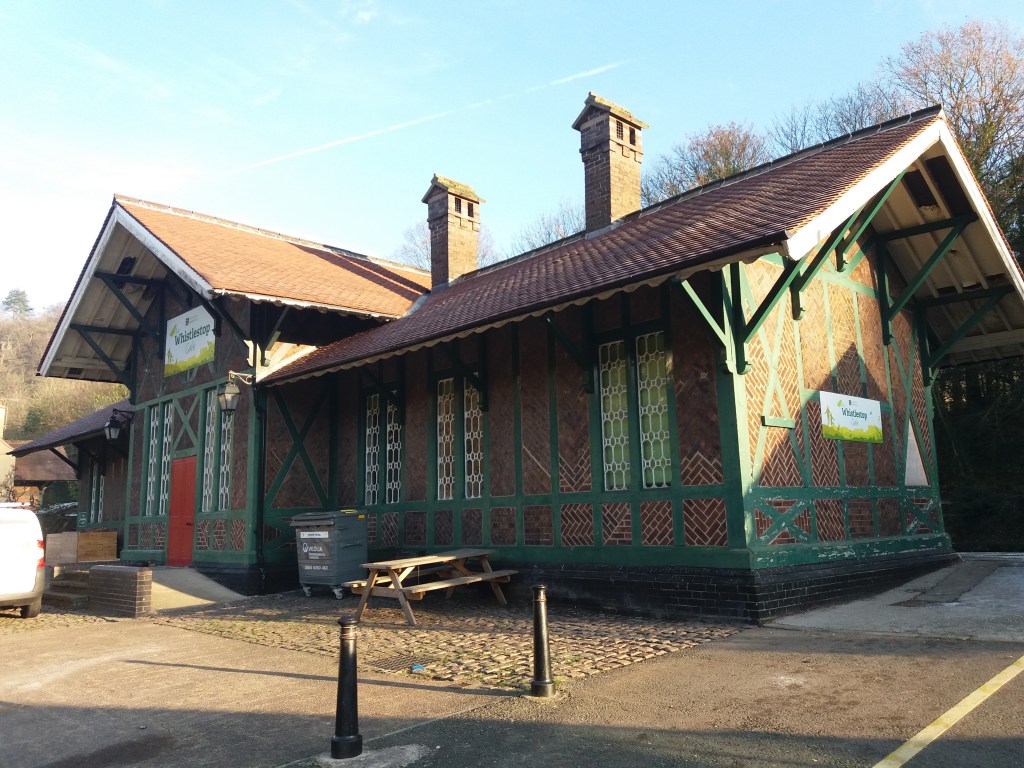
Matlock Bath’s Swiss-style station

Walking for pleasure became popular from the mid-nineteenth century, as some workers in the industrial cities of Sheffield and Manchester gained a half-day holiday on Saturday and were able to take advantage of the new railway lines to escape from the smoky cities into the hills of Derbyshire, Yorkshire and Lancashire. At first the focus was on the Dark Peak moors, especially Kinderscout, which became a regular scene of conflict between walkers and the gamekeepers employed by the Duke of Devonshire, who owned much of the moors.

PNFS signpost near Alderwasley

The Manchester Association for the Preservation of Ancient Public Footpaths was founded as early as 1826, and Manchester remained a centre for the defence of workers’ interests, notably establishing the first public library (1852) and the first cooperative society (Rochdale, 1844). In 1894 the Peak District and Northern Counties Footpath Preservation Association (thankfully abbreviated now to Peak & Northern) was formed, and is still doing excellent work defending walkers’ rights and interests, notably through over 500 steel signs like the one above.

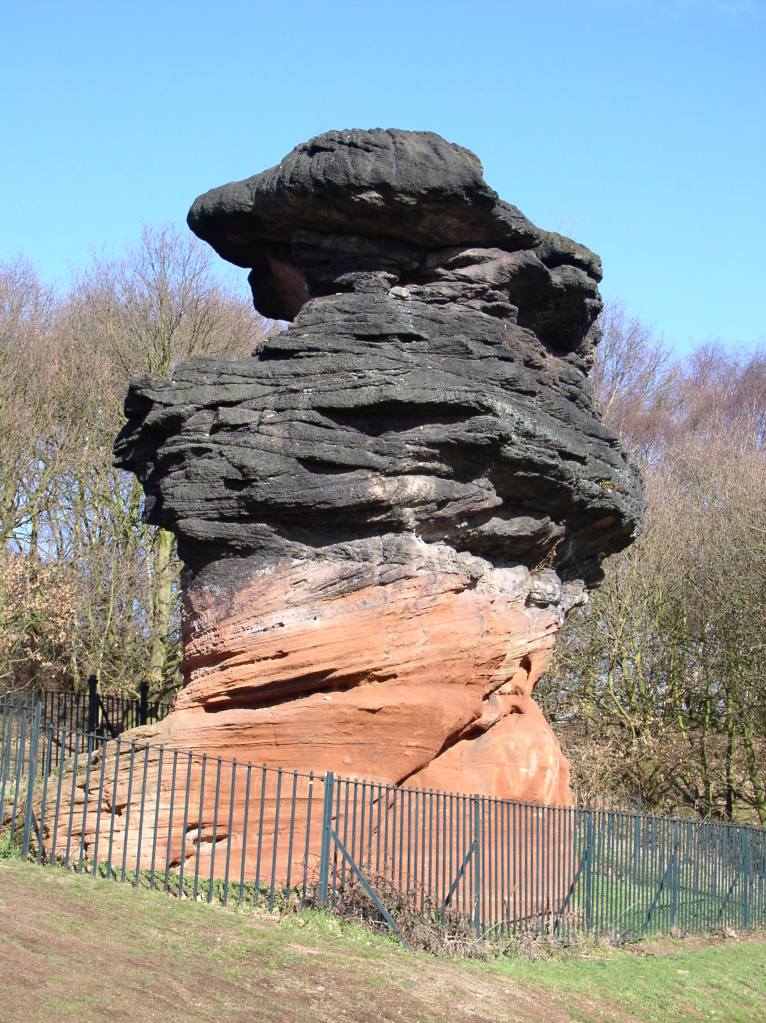
The Hemlock Stone today

The inter-war Kinderscout mass trespass has been widely publicised, but it was far from typical of the experience of many walkers in the Derbyshire hills. In general farmers and landowners have respected public rights of way and co-existed succesfully with ramblers. Perhaps a more typical walk is described by DH Lawrence in his Bildungsroman novel Sons and Lovers. Here, a party of friends and family, mostly connected with the Eastwood Congregationalists, set out to walk from Eastwood to the Hemlock Stone in Bramcote Hills one Bank Holiday. The walk actually took place at Easter 1905, and is an example of the way young people at that time, with little spare cash but plenty of energy, enjoyed their precious free time. The connection exemplified there between nonconformity, radical thought and hiking is interesting, and worth exploring further.