

Welcome to my Old Roads of Derbyshire website and blog!
You can sample my book on the history of roads, travel and travellers in Derbyshire, then browse through over a hundred posts on these and related subjects. There are posts on everything from prehistoric burial sites beside ancient routes, to the twentieth-century ramblers who helped preserve ancient footpaths. Enjoy exploring my website and the paths of Derbyshire!
The Old Roads of Derbyshire
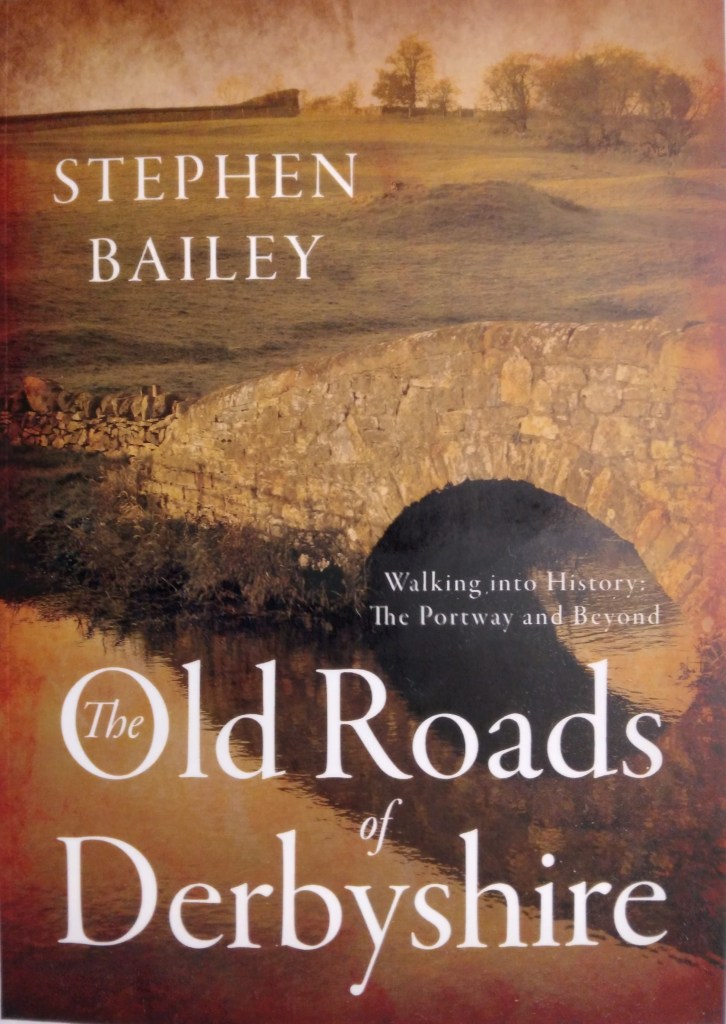
Derbyshire has a wealth of old roads, lanes, tracks, hollow ways and paths, some dating back thousands of years. It is a network which links a fascinating variety of sometimes enigmatic monuments, from fortified hilltops and stone circles to ruined abbeys and hermitages, ancient churches and tumuli.
The Old Roads of Derbyshire traces the development of these roads, from prehistoric ridgeways, Roman ‘streets’ and medieval pilgrimage routes to the growth of the turnpikes, and finally to leisure use by cyclists and hikers. Travellers of all kind are included: ‘jaggers’ with their packhorse trains, pilgrims, drovers, pedlars and tramps, and passengers in stage coaches and wagons, as well as the essential infrastructure of bridges and inns.


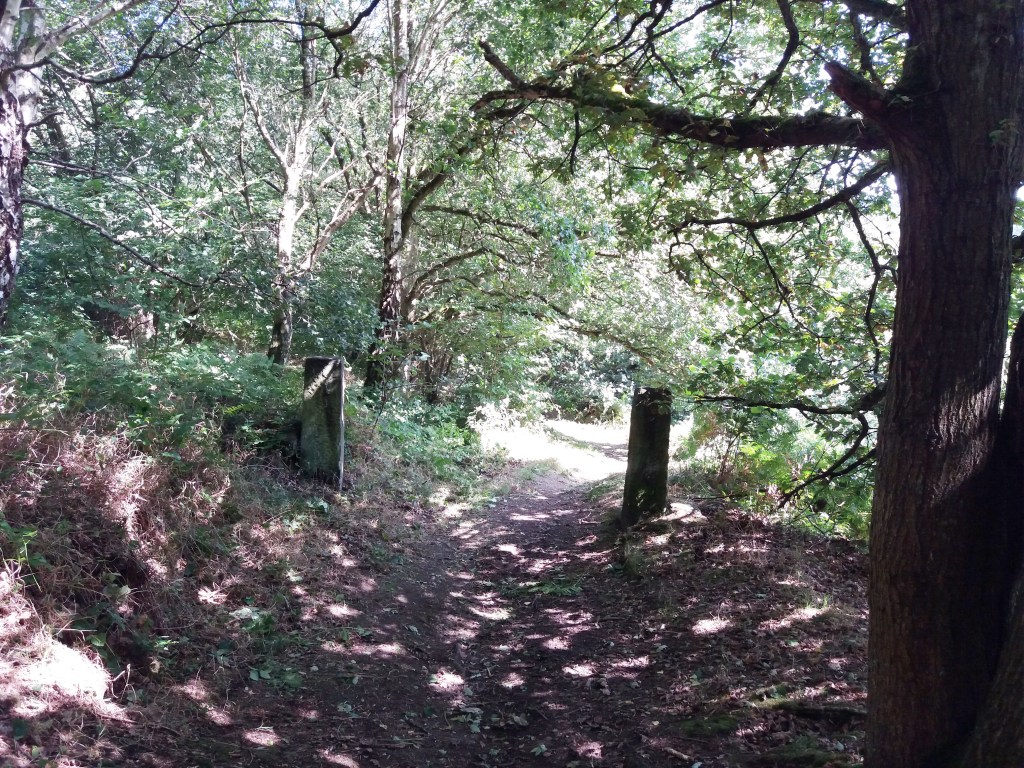


Latest blog post
- The road goes on ….
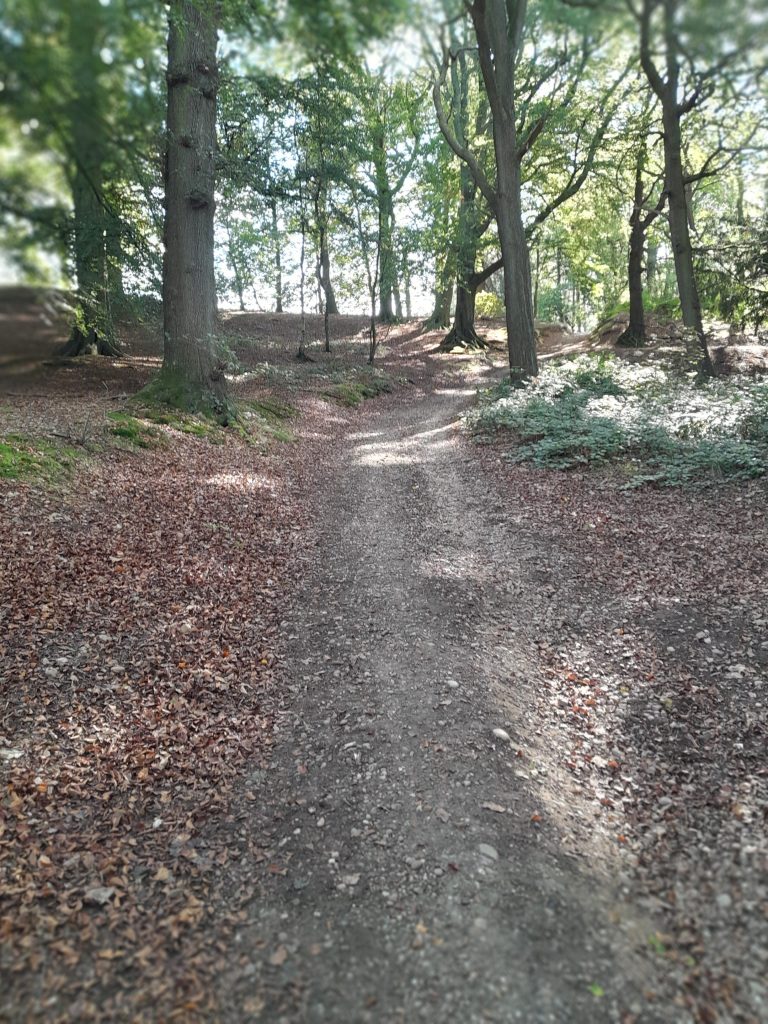
South-east of Ashbourne, the villages of Shirley and Osmaston are linked by a road which has survived for hundreds of years in something like its original form. Now a bridleway, it has never been asphalted, and in places is surfaced with small stones, providing a lovely walk through rolling parkland. Clearly marked on Burdett’s eighteenth-century map, the track has nevertheless seen considerable changes in the last 200 years.
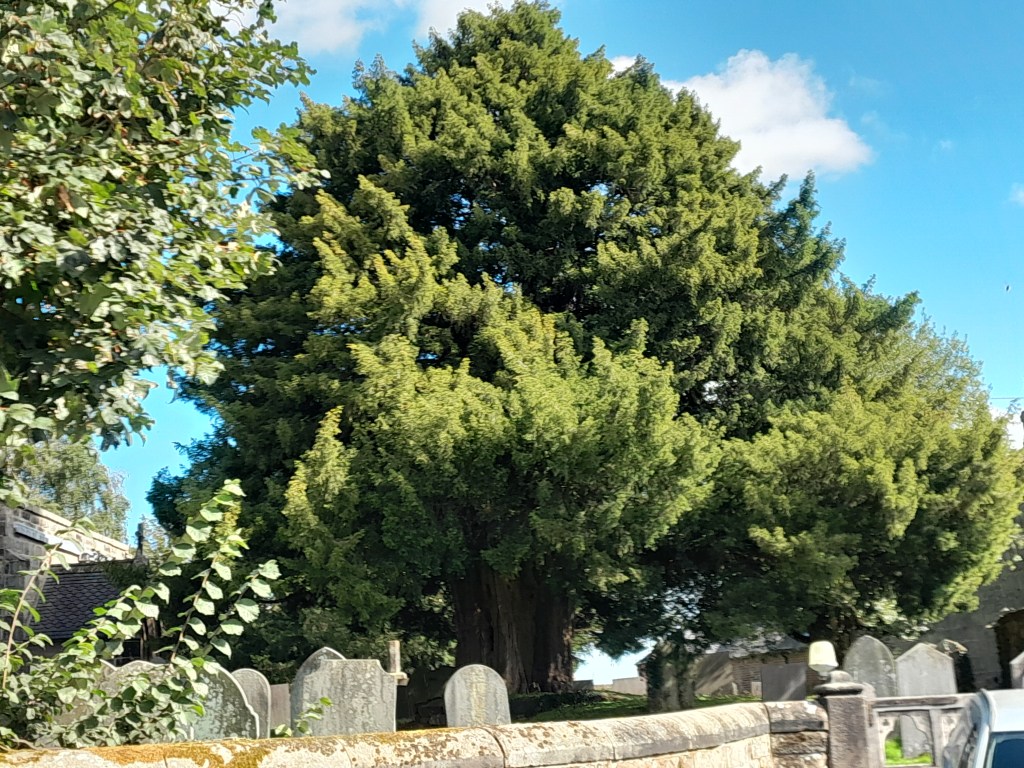
Yew in Shirley churchyard Starting in Shirley village, the 14th century church of St Michael has a vast yew tree growing near the south door; such trees are always hard to age, but this is possibly a thousand years old. The writer John Cooper Powys was born in the vicarage in 1872: his father being the vicar. Nearly opposite is the pub, The Saracen’s Head, which claims to date from 1791 (long after the crusades!). Heading north, past a small car park, the bridleway begins, running into woods and then sharply downhill to a substantial lake.
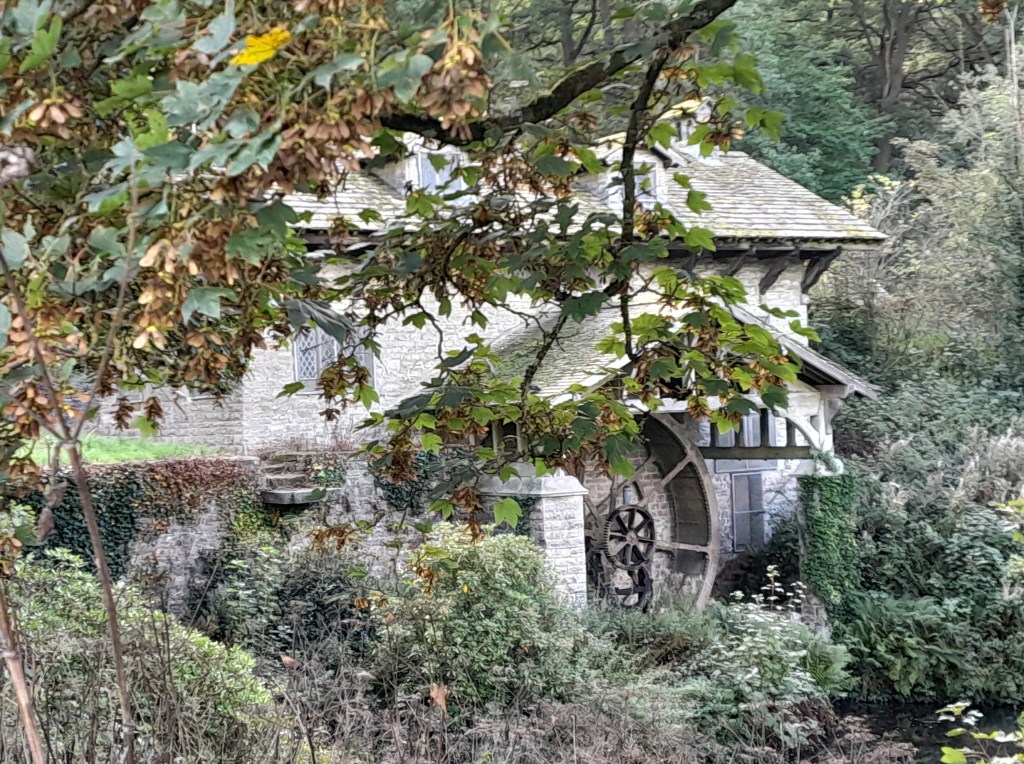
Swiss-style water-powered sawmill The lake is not marked on Burdett’s map as it was only created in the mid-19th century, as part of Francis Wright’s re-modelling of the estate. Wright had made a fortune from the Butterley Iron and Steel Company, and used it to build a huge and rather ugly mansion, vaguely in Tudor style, as well as creating extensive gardens and landscaping the park. The road here runs across the dam, built partly to create an ornamental lake but also to power the amazing sawmill (grade 2 listed) on the opposite side, built in Swiss chalet style. The waterwheel, which survives in situ, was in use until 1960 to power the sawing machinery, presumably serving the heavily-wooded estate.
The track climbs beyond the lake, and on the left is a large marquee, on the site of the mansion, which was demolished in 1965, having become a severe financial burden. The current owners now run a wedding reception business here.
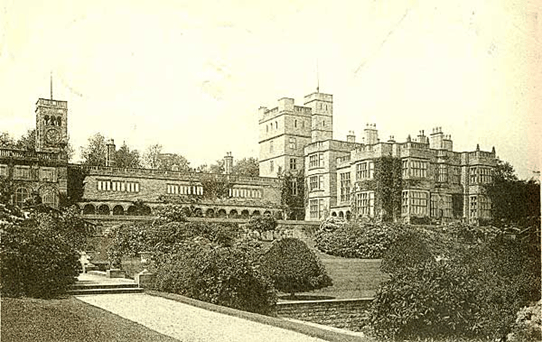
A modest dwelling The road flattens out as it comes into Osmaston, where you can sit by the (currently dry) duck pond and admire the quaintly thatched cottages, built by Wright to create what looks like a Hollywood version of an English village. St Martin’s church belongs to the same mid-century period: this replaced a much older building. It is remarkable that in less than two hundred years the estate has had a string of owners, and an enormous house of over 70 rooms has been built and then demolished, and the whole landscape remodelled, while the road, virtually untouched, continues to link the neighbouring villages.
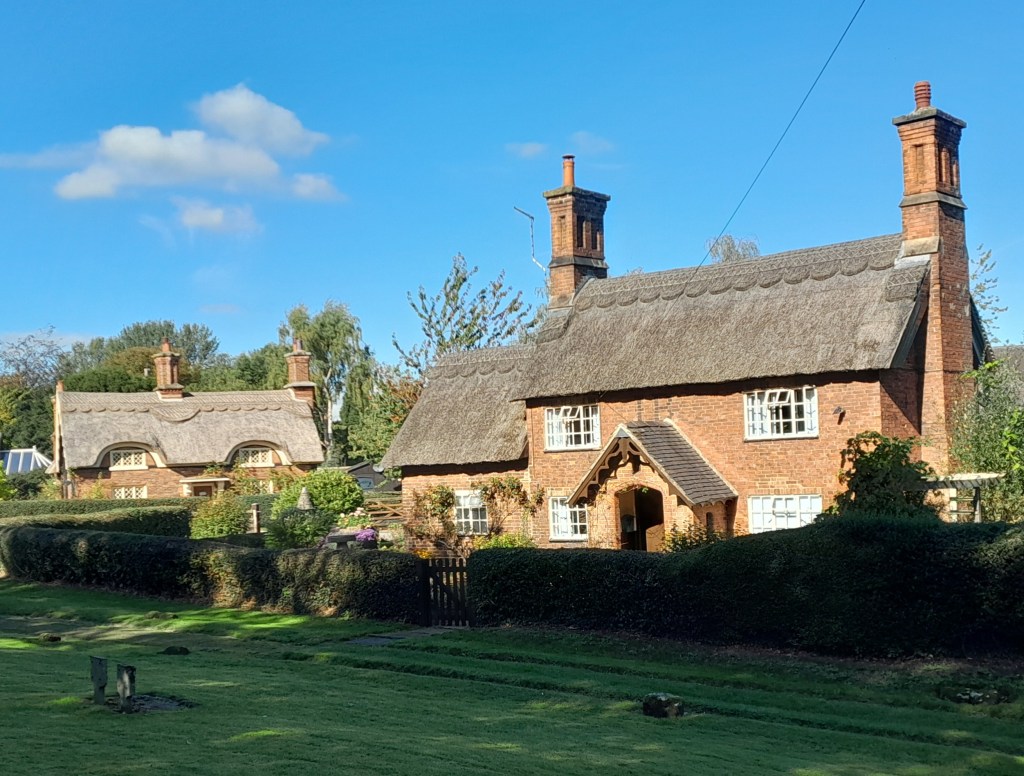
Quaint or what?

