

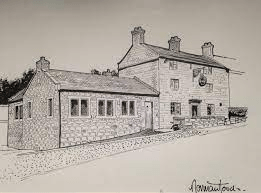
The Jug and Glass at Lea Green, pictured above, is the latest in a long list of Derbyshire pubs that have closed in recent years. Just in the Matlock area these include the Lime Tree and the Crown in Matlock itself, the Jovial Dutchman and the King’s Head in Crich, the Yew Tree in Holloway, the Nelson at Bullbridge, the Derwent Hotel at Whatstandwell, the Homesford Cottage on the A6, the George and the Vaults in Wirksworth, and many more. So what accounts for this spectacular collapse of what is still seen as an important English institution?
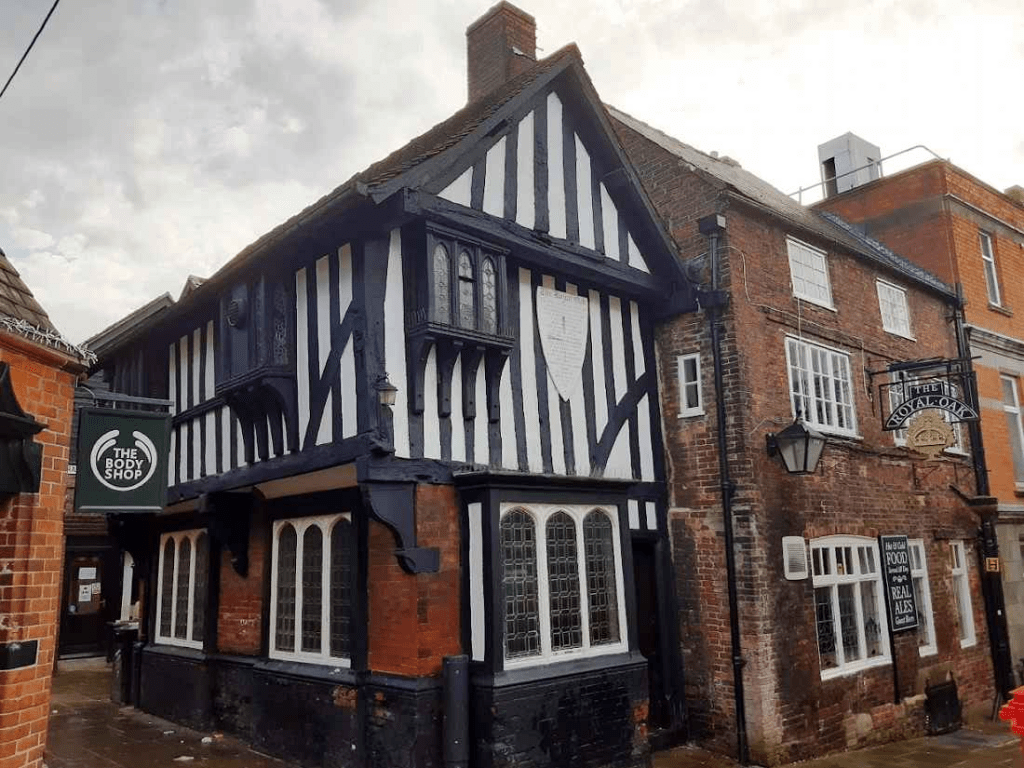
For sale in Chesterfield – The historic Royal Oak
Although pubs are now seen mainly as a community resource and valued for providing a meeting space for local clubs, inns (as opposed to alehouses) originally catered to travellers, and provided meals, beds and a change of horses, as well as drink and company. Inns must certainly date back to Chaucer’s time (c. 1370), since his pilgrims stay at the Tabard in Southwark, and are probably much older. But the arrival of railways reduced their importance, and drink drive legislation was a further blow. Today’s traveller is lucky to find any wayside pub or inn open, since so many have had to restrict their opening hours.
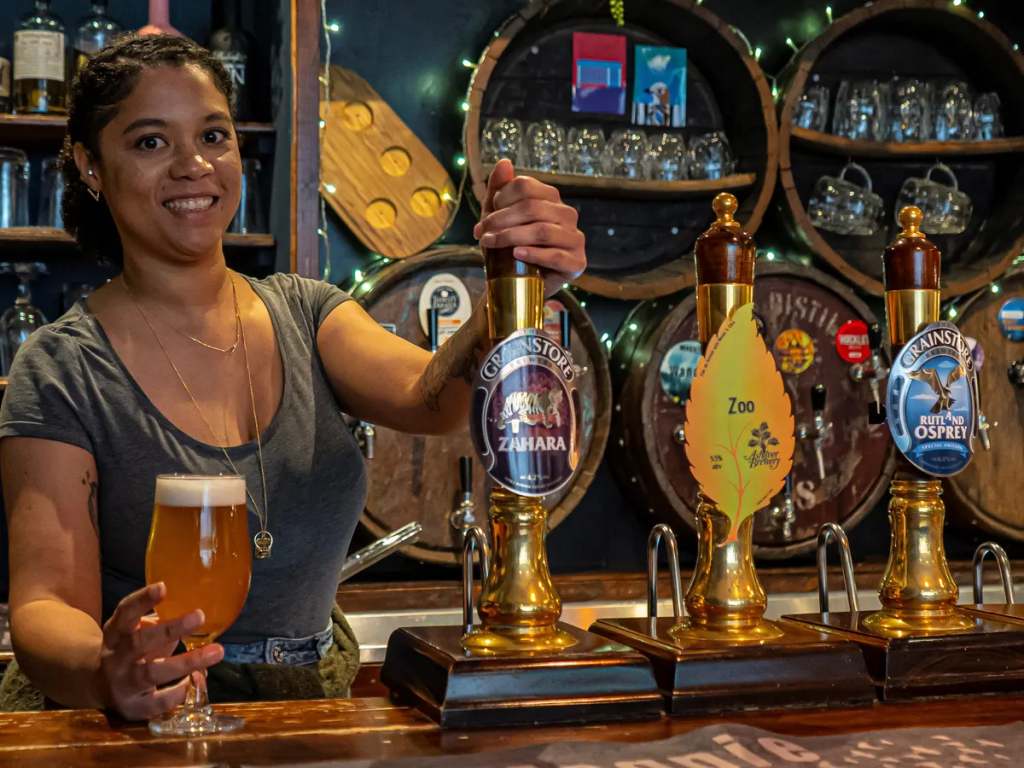
The classic look
There are many reasons for the recent decline in pub-going. The price of beer, pushing £5 a pint in places, and the shortage of staff willing to work unsocial hours, made worse by the folly of Brexit, all contribute. But perhaps the critical factor has been the reluctance of many to enter a communal space, which was exacerbated by the pandemic. ‘Pub’ stands for public house, which means a place where you can meet your neighbours on neutral ground. Yet it seems that more and more people prefer to drink in the safety of home, where the drinks are cheap, and there’s no danger of having to talk to a stranger.

 The Old Roads of Derbyshire