Four legs good?

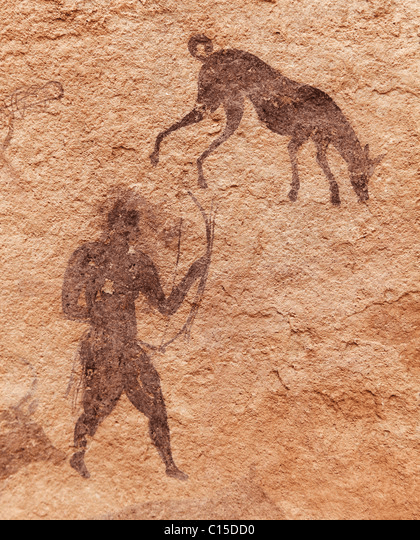
Cave painting of hunter and dog c.10,000 BCE

Dogs were the first animals to be domesticated, apparently during the last ice age, about 15 or 20,000 years ago. Hunters may have shared their kill with young wolves, who became camp followers and provided some services in return. Dogs could be trained to help the hunters by retrieving game, as well as guarding their campsites. Travellers soon found that dogs made useful companions on a trek, especially if they were herding animals such as cattle or sheep. As cities grew in the eighteenth century and the demand for fresh meat rose, drovers and their dogs walked the cows from the upland districts in the north and west to the butchers of Sheffield or Nottingham.

On a packhorse trail in North America

Perhaps even more significant was the domestication of the horse, thought to have occurred about 5,000 years ago, in the early Bronze Age, near the eastern borders of Europe. Evidence for this are the elements of horse harness such as bits and bridles found in grave burials around 2,000 BCE. For the next four thousand years horses provided the fastest travel on the planet, as well as weapons of war (cavalry and chariots) and transport of goods (either as packhorses or pulling carts). Over long distances a rider could average about four miles an hour, so about 30 miles was a good daily total for both rider and horse, with about seven hours in the saddle. It seems remarkable that just 200 years ago our entire economy was based on horse power, from agriculture to personal mobility to powering the first railways!
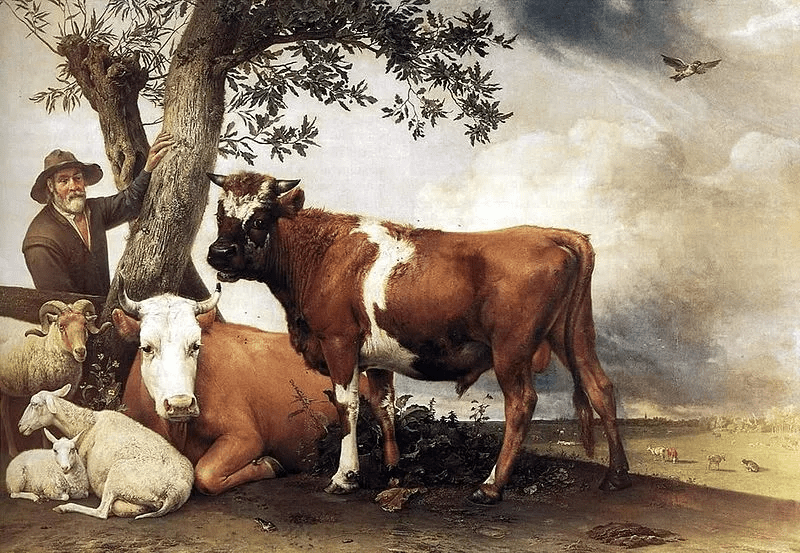
Today’s walkers in Derbyshire are likely to be concerned about crossing fields with cows grazing, especially if they have dogs with them. Although the number of deaths caused by stampeding animals is small, it is a real risk, and most hikers have had uncomfortable experiences, if not worse. Although likely to be an underestimate, the HSE keeps records of injuries from cattle, and between 2000 and 2020 98 people were killed by them: many more were presumably injured. Of these the majority (76) were farm workers, and the rest were walkers. The general consensus is that bullocks represent a greater danger than the odd bull, and that cows with calves should be given a particularly wide berth. Carrying a stick probably makes the walker feel better, and dogs should be let off their leads to escape quickly if a situation feel threatening.
The Horsey World

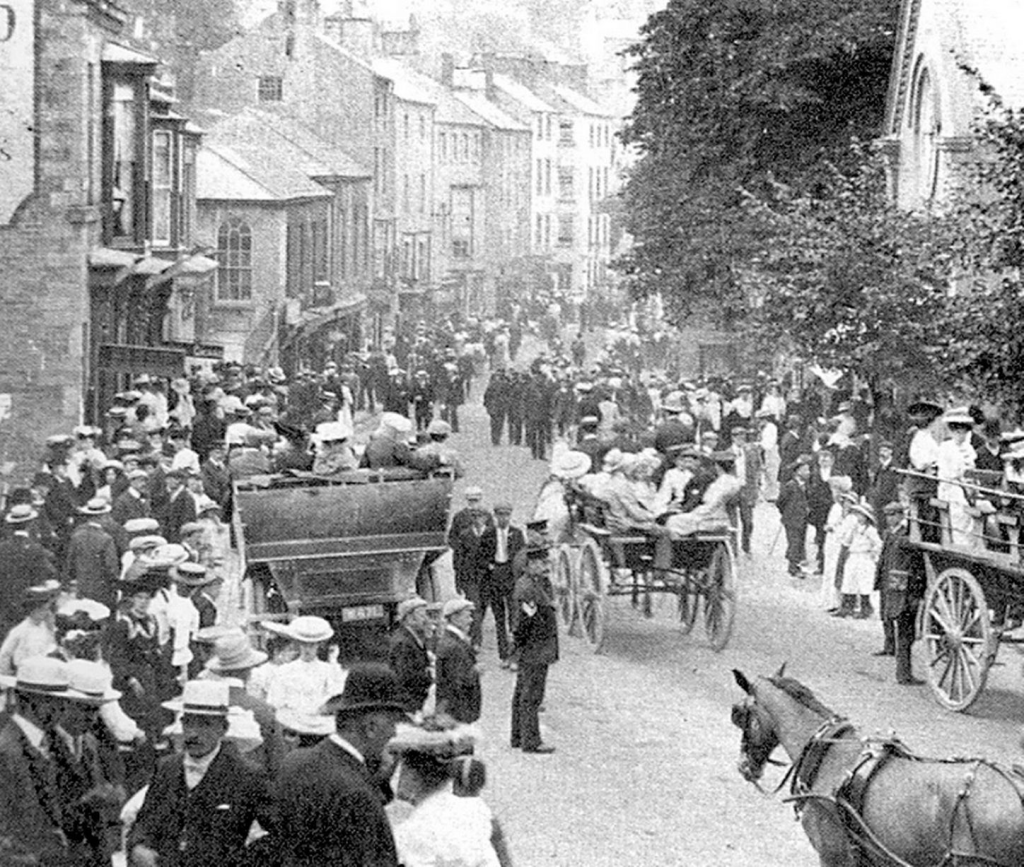
A jolly holiday crowd at Matlock Bath

Today it is easy to forget the importance of the horse before the twentieth century. Leaving cavalry and racing aside, they were critical in agriculture and travel, reaching a peak in the nineteenth century when there were an estimated three million horses in Britain. Selective breeding during the medieval period led to horses replacing oxen in plough teams, while others were bred for speed and endurance. Travellers, unless poor, generally went on horseback, certainly before reliable coach travel was available in the 1830s. For many professions, such as doctors and lawyers, travel by horse was simply the most convenient mode, combining flexibility with reasonable speed, for long and short journeys. For example, James Clegg of Chapel- en-le Frith, a dissenting minister, rode nearly 1,000 miles in the first half of 1730, according to his diary.

Clegg’s chapel at Chinley near Chapel-en-le Frith

The ability to ride was necessary for these kinds of jobs, and gentlemen in particular were expected to ride with a certain style, especially when out hunting, or otherwise displaying their social status. When and how boys (and it was generally males before the modern period) learned to ride is a good question, and although there have always been riding schools, we can presume that most were taught by their fathers, or servants such as grooms. The population was mainly rural until the mid-nineteenth century, when riding ability would have been as common as knowing how to cycle is today.

Matlock Bath as was

DH Lawrence provides an example of this in his novel The Rainbow. Set in the 1870s, he depicts the young farmer Tom Brangwen riding from Cossall to Matlock Bath:

“One Whitsuntide he went a jaunt, with two other young fellows, on horseback to Matlock, and thence to Bakewell. Matlock was at that time just becoming a famous beauty spot, visited from Manchester and from the Staffordshire towns. In the hotel where the young men took lunch, there were two girls , and the parties struck up a friendship”.

In the story Tom gets off with one of the girls, tells his companions not to wait for him, and leaves his horse with an ostler while he takes the young lady for a walk in the woods. This is a reminder of the variety of jobs that were involved with the horsey world, such as ostlers, grooms, saddle makers and many more. The 1871 census for the parish of Matlock lists 12 wheelwrights, 15 blacksmiths, 17 cab drivers, 6 coachmen, 8 grooms, and 4 saddlers, not to mention a horse breaker, a coach maker and an ostler.