Romantic Buxton?

Arnold Bennett’s masterpiece, The Old Wives’ Tale, published in 1908, is set in the mid-nineteenth century, and tells the contrasting stories of two sisters, Sophia and Constance. The latter spends her life running the family drapers’ shop in Stoke on Trent, while her sister has a more adventurous life in Paris. When Constance marries, Buxton is chosen for their honeymoon, a relatively short ride on the then North Staffordshire Railway:

“They had a way of saying: ‘Yes, we always go to Buxton. We went there for our honeymoon, you know.” They had become confirmed Buxtonites, with views concerning St Anne’s Terrace, the Broad Walk and Peel’s Cavern. They could not dream of deserting their Buxton. It was the sole possible resort. Was it not the highest town in England? Well, then!

The man himself

Bennett, who was a francophile and had lived in France since 1903, was clearly being satirical at the expense of these provincial folk:

“They always stayed at the same lodgings, and grew to be special favourites of the landlady, who whispered of them to all her other guests as having come to her house for their honeymoon, and as never missing a year, and as being most respectable, superior people in quite a large way of business. Each year they walked out of Buxton station behind their luggage on a truck, full of joy and pride because they knew all the landmarks, and the lie of all the streets, and which were the best shops.”

Park views

However, any holiday would be a luxury for working people in the 1870s, and ten days in Buxton would demonstrate that Mr and Mrs Povey were prosperous folk. The spa waters of the town have attracted visitors since Roman times (and probably earlier), though tourists in the eighteenth century frequently complained of the quality of accommodation. It was not until the Dukes of Devonshire made serious investments, such as building The Crescent, and the arrival of the railway in 1863, that large number of visitors began arriving. Today a rejuvenated town still attracts holidaymakers, although unfortunately the excellent Museum and Art Gallery has been closed indefinitely due to the discovery of dry rot.
Walkers, hikers or ramblers?

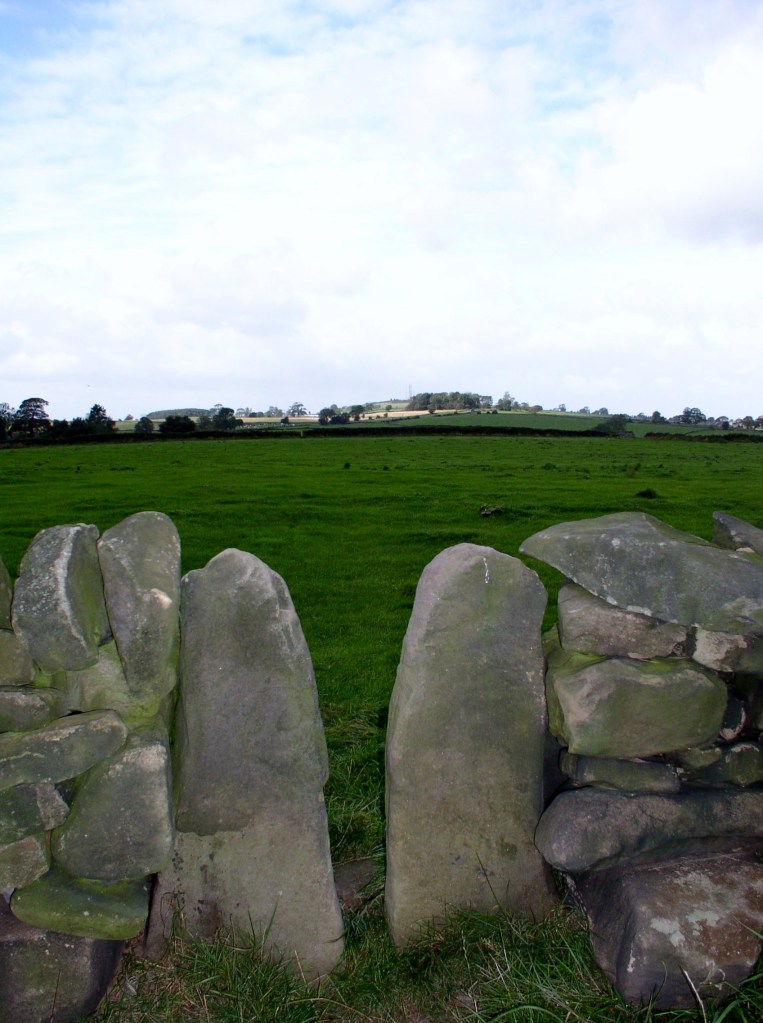
Squeeze style on path to Alport Height

Many of our field paths were created by people walking to work, possibly in mines or mills. With the enclosure of moors and commons in the late eighteenth or early nineteenth centuries and the building of drystone walls to delineate the new fields, these routes became fossilised, often marked by a series of squeeze stiles, as on the path above. Today the mills and mines have gone, yet the paths are kept open by walkers – a leisure activity that would probably have surprised the mill hands of Arkwright’s day.

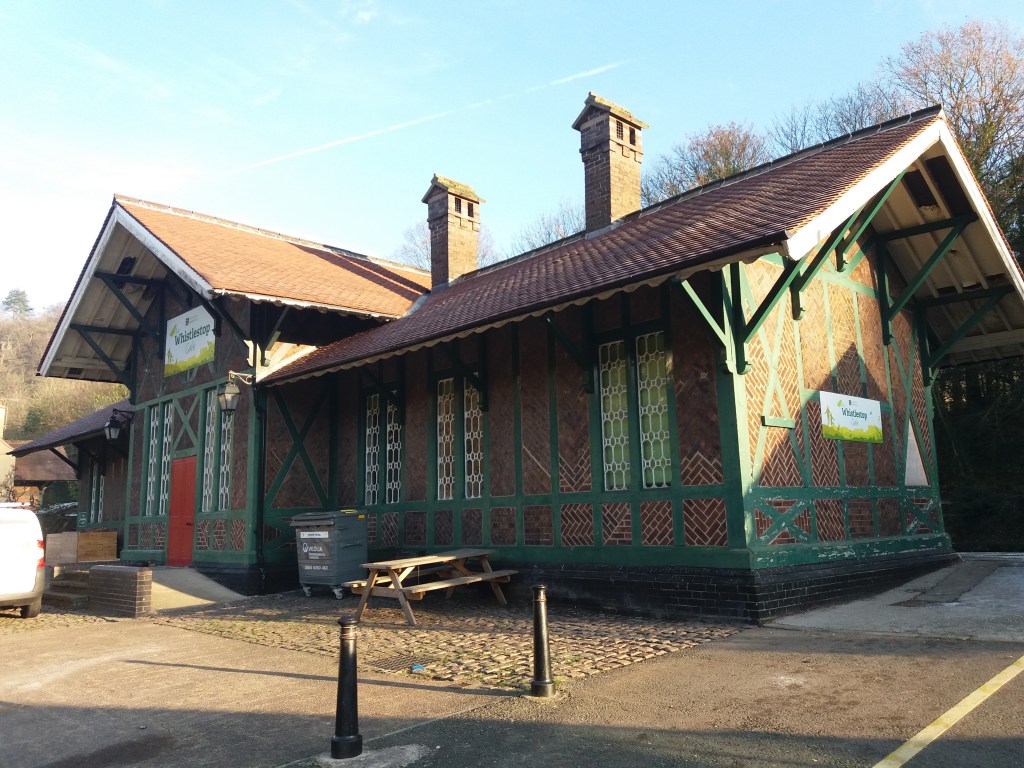
Matlock Bath’s Swiss-style station

Walking for pleasure became popular from the mid-nineteenth century, as some workers in the industrial cities of Sheffield and Manchester gained a half-day holiday on Saturday and were able to take advantage of the new railway lines to escape from the smoky cities into the hills of Derbyshire, Yorkshire and Lancashire. At first the focus was on the Dark Peak moors, especially Kinderscout, which became a regular scene of conflict between walkers and the gamekeepers employed by the Duke of Devonshire, who owned much of the moors.

PNFS signpost near Alderwasley

The Manchester Association for the Preservation of Ancient Public Footpaths was founded as early as 1826, and Manchester remained a centre for the defence of workers’ interests, notably establishing the first public library (1852) and the first cooperative society (Rochdale, 1844). In 1894 the Peak District and Northern Counties Footpath Preservation Association (thankfully abbreviated now to Peak & Northern) was formed, and is still doing excellent work defending walkers’ rights and interests, notably through over 500 steel signs like the one above.

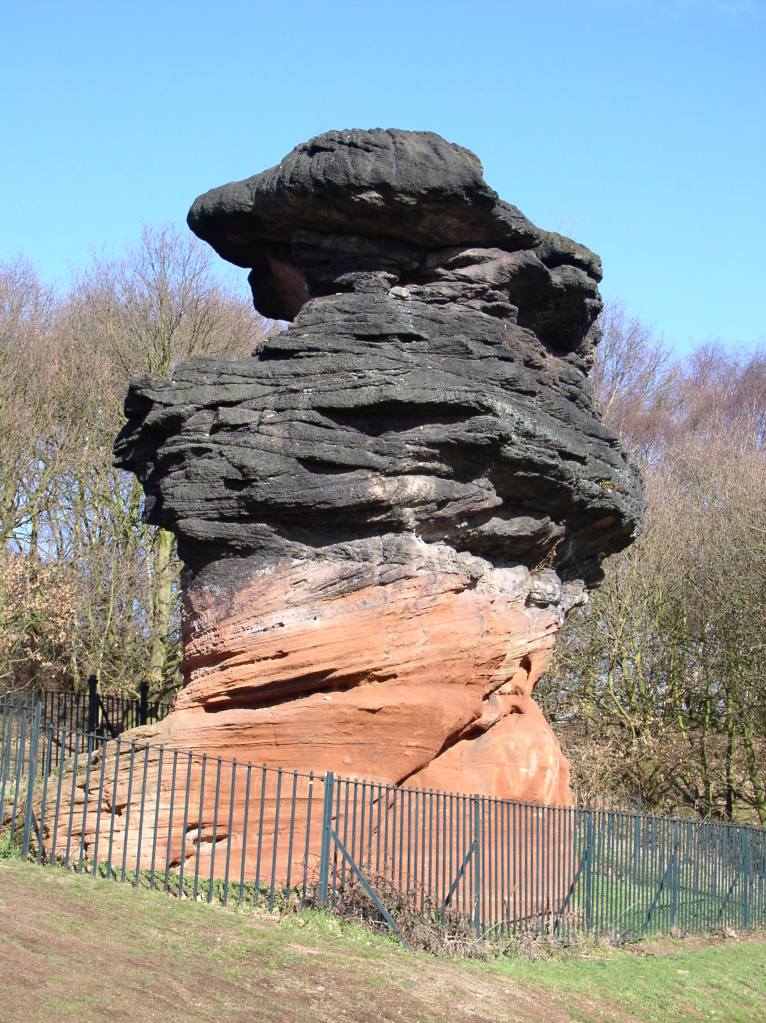
The Hemlock Stone today

The inter-war Kinderscout mass trespass has been widely publicised, but it was far from typical of the experience of many walkers in the Derbyshire hills. In general farmers and landowners have respected public rights of way and co-existed succesfully with ramblers. Perhaps a more typical walk is described by DH Lawrence in his Bildungsroman novel Sons and Lovers. Here, a party of friends and family, mostly connected with the Eastwood Congregationalists, set out to walk from Eastwood to the Hemlock Stone in Bramcote Hills one Bank Holiday. The walk actually took place at Easter 1905, and is an example of the way young people at that time, with little spare cash but plenty of energy, enjoyed their precious free time. The connection exemplified there between nonconformity, radical thought and hiking is interesting, and worth exploring further.