On the road with Joseph Andrews

Henry Fielding (1707-1754)

Many of the earliest novels were effectively ‘stories of the road’, their plots centred on the journeys their heroes were making – books such as Don Quixote and The Pilgrim’s Progress – while the form is still popular today e.g. The Lord of the Rings. This format provided the possibility of introducing a rich cast of characters and a variety of adventures, but also gives the modern reader an insight into travel at that period: naturally a dramatized picture but one that had some basis in reality. One of the best early ‘road novels’ is Joseph Andrews by Henry Fielding, published in 1742. Joseph, the hero, is a poor unworldly servant who flees the unwanted advances of his aristocratic mistress, Lady Booby, in London and sets off to visit his sweetheart, Fanny, in rural parts. He has only walked a few miles before he is robbed and stripped naked by a couple of heartless footpads, who throw his apparent corpse into a ditch.

Joseph resists temptation

Luckily for Joseph a stagecoach pulls up, but every single passenger rejects the idea of rescuing the injured man – the ladies on account of his nakedness – until a lawyer points out that if they don’t take him to an inn they are possible accomplices to his murder. Only the postillion is prepared to lend Joseph his greatcoat, which allows him to board the coach. The coachman takes the injured man to the nearest inn, the Dragon, where he gets a sympathetic welcome from Betty, the chambermaid, who prepares a bed, and Mr Tow-Wouse, the landlord. However, neither Mrs Tow-Wouse, nor the local surgeon, nor the parson are prepared to help Joseph; the landlady complaining bitterly of her husband’s kindness and moaning that Joseph should have gone to an ale-house (inns, of course, preferred customers from the gentry).

Ale-house or inn?

All this in the first few chapters, and there follow enjoyable satires on inn-keepers, surgeons and vicars, culminating in Mrs Tow-Wouse discovering her husband taking advantage of Betty’s good nature, and Betty’s rapid departure. Happily, Joseph meets an old friend and together they set off for more adventures en route to Fanny. None of this needs be taken to be a realistic portrayal of eighteenth-century travel, yet it does reflect popular fears and concerns about the perils of wayfaring.
Clegg’s travels

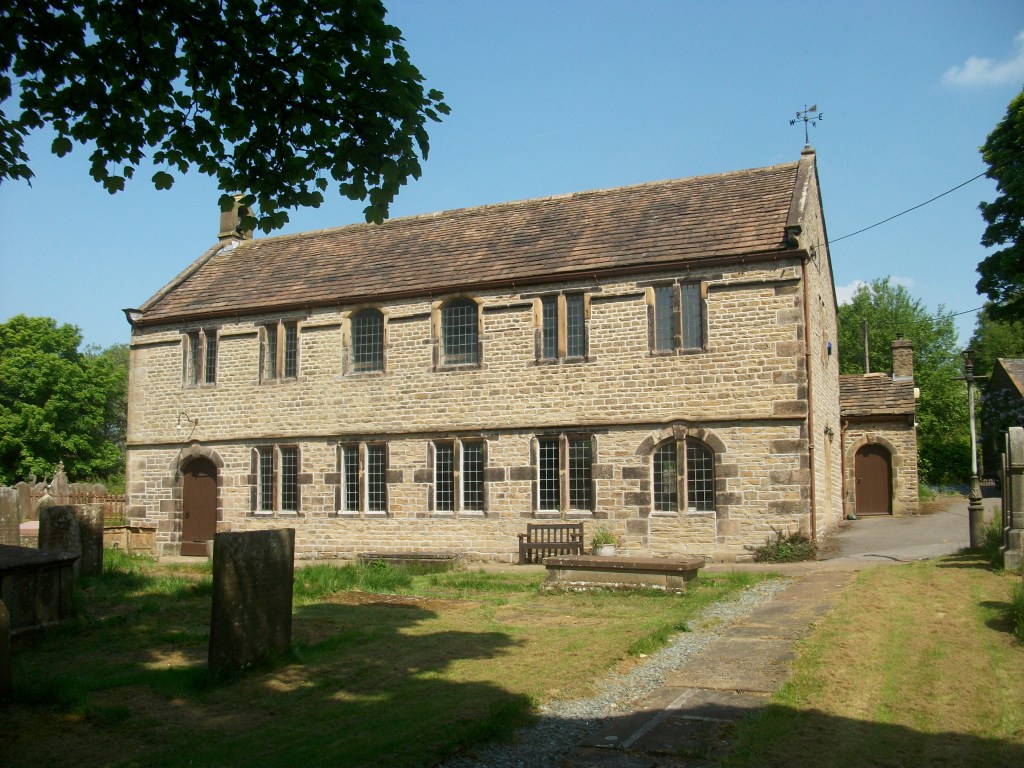
The chapel at Chinley today

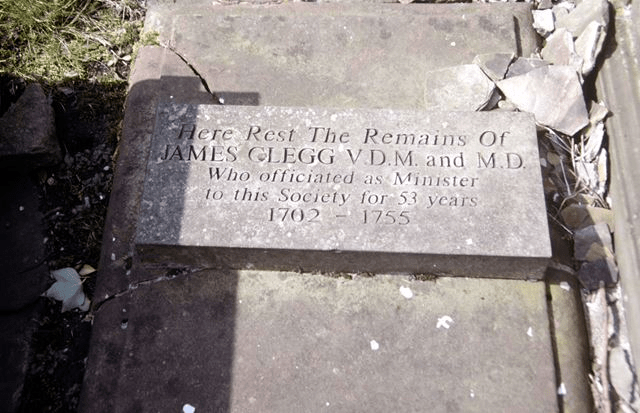
James Clegg (1679 -1755) was for many years a minister at Chinley Chapel, near Chapel-en-le-Frith in north Derbyshire. There are no surviving pictures of him, but we know more about his life than is usual thanks to his diary, which he kept from 1708 until his death. As it was frequently necessary at that time to have several ways of earning a living he also had a farm and trained as a doctor, a vocation which would have fitted in well with his spiritual duties. The record he kept of his journeys in the diary gives us a valuable picture of personal movement in the pre-turnpike era. He was originally from Lancashire, and family concerns caused visits to the Manchester area, as well as to Chesterfield to see his sister, but he also occasionally went to Lincolnshire, Nottingham and Derby, besides Macclesfield and Leek. In addition there were many shorter journeys for medical and religious reasons in the Chapel district.

Clegg’s tomb at Chinley Chapel

The longest journeys he made on horseback were just under thirty miles, and as the average speed of a rider at this time is thought to have been about four miles an hour (given the state of the roads) this journey would have meant seven hours in the saddle. An analysis of his travels in the first six months of 1730 shows that he rode about a thousand miles overall, with a noticeable increase as the days got longer, from 69 miles in January to 286 miles in May. Clegg rode his mare in all weathers, although he rarely mentions this except when extremely snowy. Occasional phrases in the diary remind us of the hazards of travel in the period:

… the night being very dark I narrowly escaped a dangerous fall into a stone pit which my mare jumped into’.

However, despite such episodes Clegg’s 76 years are a testament to his remarkable versatility and vigour.

Riding with Cobbett – 2

Statue of Cobbett at Farnham

In the early modern period, gentlemen – and the more daring ladies – preferred to travel on horseback. William Cobbett, touring England in 1822 for his masterpiece ‘Rural Rides’, explains this preference:

My object was … to see the country… and to do this you must either go on foot or on horseback. With a gig you cannot get about amongst bye-lanes and across fields, through bridle-ways and hunting-gates …

From his saddle Cobbett meets a rich variety of fellow travellers, who he reacts to with typical vigour:

On the road-side we saw two lazy-looking fellow, in long greatcoats and bundles in their hands, going into a cottage. ‘What do you deal in?’ said I to one of them, who had not yet entered the house. ‘In the medical way,’ said he. And, I find that vagabonds of this description are seen all over the country …

Near Uxbridge he mentions his amusement at seeing ‘in all various modes of conveyance, the cockneys going to Ealing Fair’, which sounds like a print by Hogarth come to life. Cobbett strongly sympathises with the situation of the rural labourers, as when he crosses the River Wey:

Here we found a parcel of labourers at parish work. Amongst them was an old play-mate of mine. The account they gave of their situation was very dismal. The harvest was over early … now they are employed by the parish … to break stones into very small pieces to make nice smooth roads lest the jolting, in going along them, should create bile in the stomach of the overfed tax-eaters.

Late nineteenth-century gypsy encampment

Cobbett is more positive when he meets a group of gypsies, whom he finds physically impressive:

At Cheriton I found a grand camp of gipsys, just upon to move to Alresford. I had met some of the scouts first, and afterwards the advanced guard, and here the main body was getting in motion. One of the scouts that I met was a young woman, who, I am sure, was six feet high …. The tall girl that I met at Titchbourn, who had a huckster basket on her arm, had most beautiful features. I pulled up my horse, and said, ‘Can you tell me my fortune, my dear?’

Still open for business – the Holly Bush at Headley today

One of Cobbett’s best qualities is the ability to laugh at himself. On one day’s ride he got thoroughly lost, as he refused to use the turnpike road, and spent hours being misled on bridle-ways by a guide, all in the pouring rain. He writes:

At the Holly Bush at Headley there was a room full of fellows in white smock frocks, drinking and smoking and talking, and I, who was then dry and warm, moralised within myself on their folly in spending their time in such a way. But when I got down from Hindhead to the public house at Road Lane, with my skin soaking and my teeth chattering, I thought just such another group, whom I saw through the window sitting round a good fire with pipes in their mouths, the wisest assembly I had ever set my eyes on.

Church paths and coffin paths

Looking into Edale from Hollins Cross

In medieval England many parishes, especially in upland areas. were larger than they are now, and parish churches consequently were more dispersed. Although not everyone attended church regularly, for most people a churchyard burial was critical, since that was the key to an afterlife. As a result coffins often had to be carried several miles to the nearest consecrated churchyard. An extreme example is Edale, where the funeral processions from this scattered community had to cross the ridge into the Hope Valley via Hollins Cross, which marked the site where the coffin could be rested while the pall bearers had a much-needed rest on this four or five mile journey to Hope church.

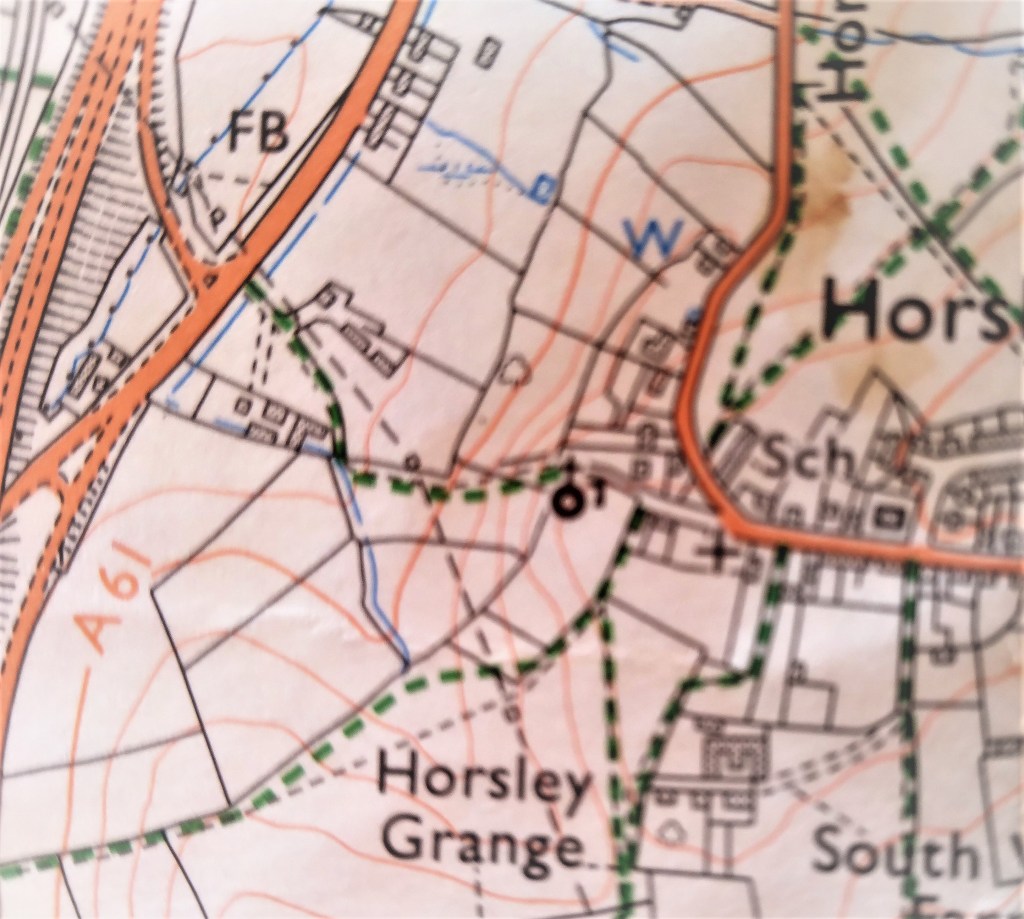
Paths around Horsley church (centre)

Many churches are at the centre of a network of paths, as can be seen in the case of Horsley, to which at least five footpaths lead. Other examples include Bonsall, Crich and Morley. Of course these routes were not only for funerals – they would also have provided a direct route for Sunday worshippers. Especially before the growth of non-conformist chapels in the eighteenth and nineteenth centuries, many comunities were quite distant from a place of worship; for instance Riber folk had a very steep walk down to St Giles at Matlock.

Horsley church can be seen in the distance at the end of this field path

In some parts of Britain a folklore grew up around these ‘coffin paths’ or ‘lych ways’, which were thought to be haunted by the spirits of the dead. Shakespeare’s Puck, in A Midsummer Night’s Dream, says:

Now it is the time of night,

That the graves all gaping wide,

Every one lets forth his sprite,

In the church way paths to glide.

Tolls, riots and Rebeccas

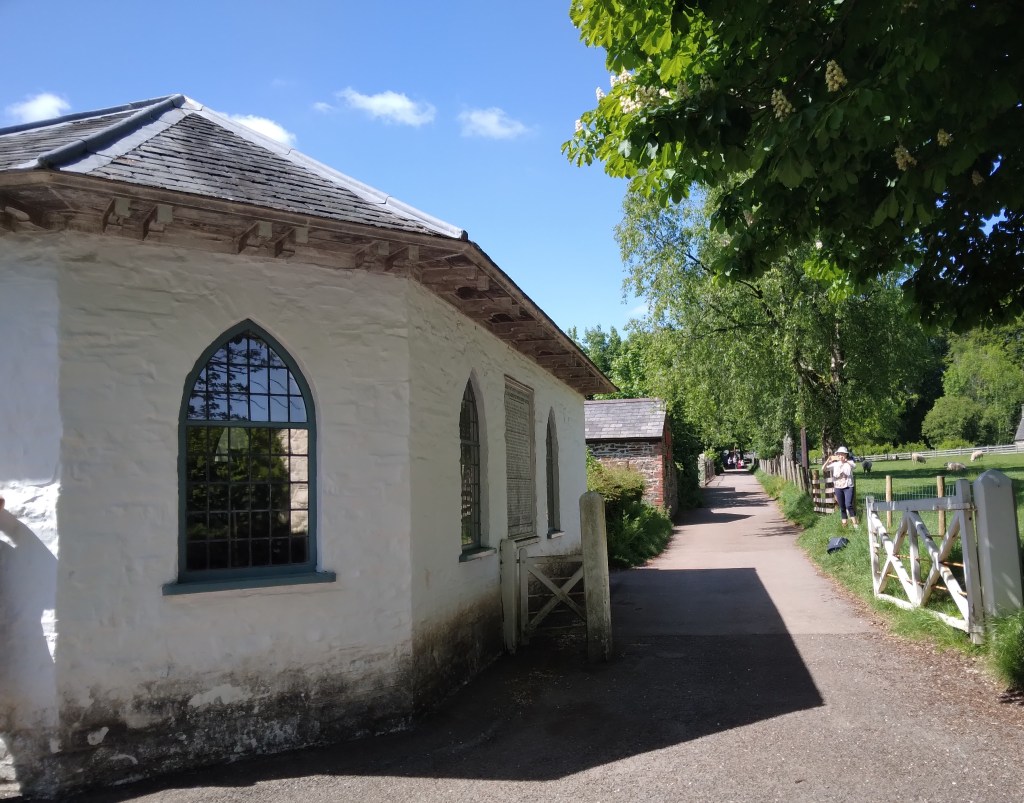
Toll cottage and toll gate at the National Museum of History in St Fagan’s.

Many toll houses survive in Derbyshire (see previous blogs) but the only surviving ensemble of cottage, gate and board of charges is found at the National Museum of Wales, near Cardiff. This was moved to the Museum from its original location near Aberystwith. The list of charges (see below) gives a fascinating insight into the traffic that used the turnpike roads in the early nineteenth century. Sixteen different kinds of horse-drawn passenger vehicles are listed, including chariot, Berlin, landau, chaise, phaeton, vis a vis and calash – all charged at six pence per horse (over £2 at modern values). Agricultural traffic was rated at four pence per animal, unless the cart was pulled by an ass, in which case it was only two pence. Droves of large animals like cattle cost the drover ten pence per score, while flocks of sheep were only five pence. It is easy to imagine the disputes that could have arisen about whether an animal was a cow or a calf (half price) or how many animals were in a drove!

The list of exemptions is also revealing. Farmers leading horses to work on the adjoining fields were free of charge, as were attendees at Sunday services, or funerals. Waggons carrying vagrants or prisoners were also free, as was military traffic and clergy doing parish business, sheep going to be washed and people taking part in county elections. Again, there seems to be plenty of scope for argument in such a lengthy list!

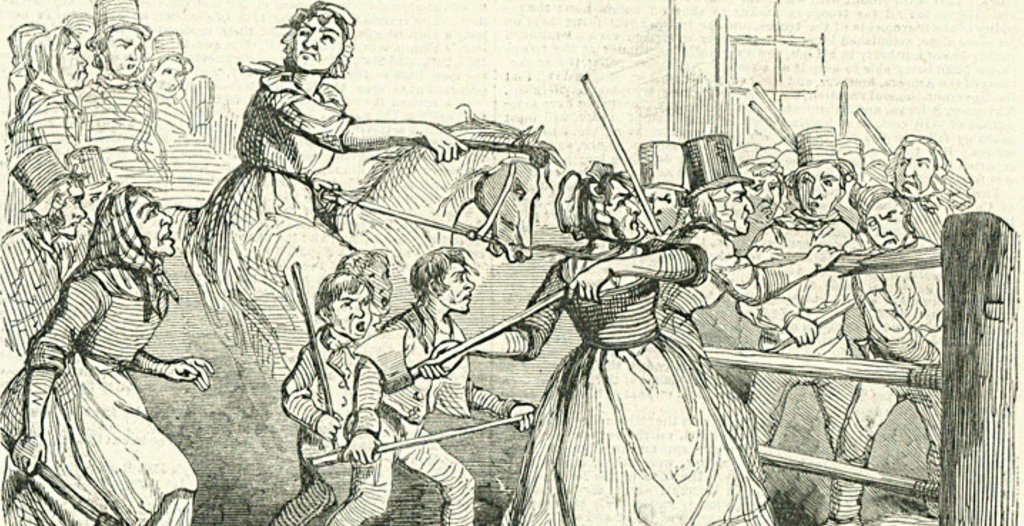
A contemporary image of the Rebecca riots

Despite these exemptions, ordinary people commonly hated the turnpikes, which seemed to take away a basic freedom – to use the ‘King’s highway’ without paying. This was especially the case in Wales, where an agricultural depression between 1839-42 caused widespread misery. This lead directly to the Rebecca riots, when protesters disguised themselves in women’s clothing and attacked and burned the toll gates, which had come to represent the general burden of taxation on the poor.

A life on the road

Tramps" — illustration for "The Uncommercial Traveller" by Sol Eytinge, Jr.

Tramps on the roadside in Victorian times

In contrast with the rich and powerful, whose historical journeys were often recorded, we know very little about the thousands of people in the past who made a living from being on the move. Some may have been semi-criminals, but the great majority supported themselves by providing a service; moving goods to where they were wanted. Yet the stigma attached to itinerant workers persisted; they were often seen as a threat to the settled householder or shopkeeper. For some, such as the drovers, it could be a profitable business, while others had no choice but to beg from village to village, relying on the kindness of strangers.

Well into the twentieth century tramps were a familiar sight on our roads, with George Orwell providing an unusual glimpse of their lives in his Down and Out in Paris and London. Written in the 1930s, he describes the grim conditions in the ‘Spike’, where workhouse-style accommodation was provided by the local authorities. Today, of course, the volume of traffic on the roads makes old-style tramping impractical, so that the destitute sleep rough in cities, where there is more food, money and shelter.

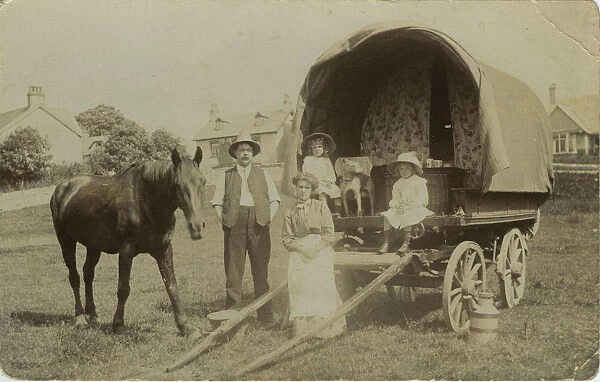
Gypsies and Caravan (Photos Prints Framed Posters Puzzles Cards Gifts  Canvas...) #20031226
A gypsy family in the 1930s

Gypsies, travellers or Roma are one marginal group that has attracted much interest and been heavily romanticised by writers such as George Borrow, while surviving into modern times. But others have been made redundant by the increase in personal mobility – we forget how isolated a Derbyshire village would have been up to the 1950s. Drovers were one of the most respected trades, responsible for the well-being of herds of valuable animals and their safe delivery to market. They would avoid turnpikes and use their own routes, with an overnight halt in an inn with grazing attached. Today it is difficult to trace droving roads, though place names such as Bullbridge may provide clues.

Probable west-east drove road near Minninglow

Pedlars (or travellers or hawkers) supplied the needs of isolated farms and cottages, in particular catering for women who could rarely visit a market town yet needed lightweight items such as sewing materials. They carried their goods in a pack, today commemorated in the name of the Hathersage pub, the Scotsman’s Pack. They must have been welcome visitors, but it is now hard to imagine how difficult their lives would have been, outdoors in all weathers and with the burden of the pack. Another significant group were the badgers or higglers, who bought goods such as eggs and butter from farmers and resold them at market. In theory they needed a licence to operate, so that for example in 1748 179 licences were issued at the Derbyshire Quarter Sessions, although many people may have operated unlicensed. As few, if any of these thousands of itinerant workers left a written record, tracing their lives is frustratingly difficult, but clearly their work was vital for the rural economy of the pre-motor age.

Stagecoach

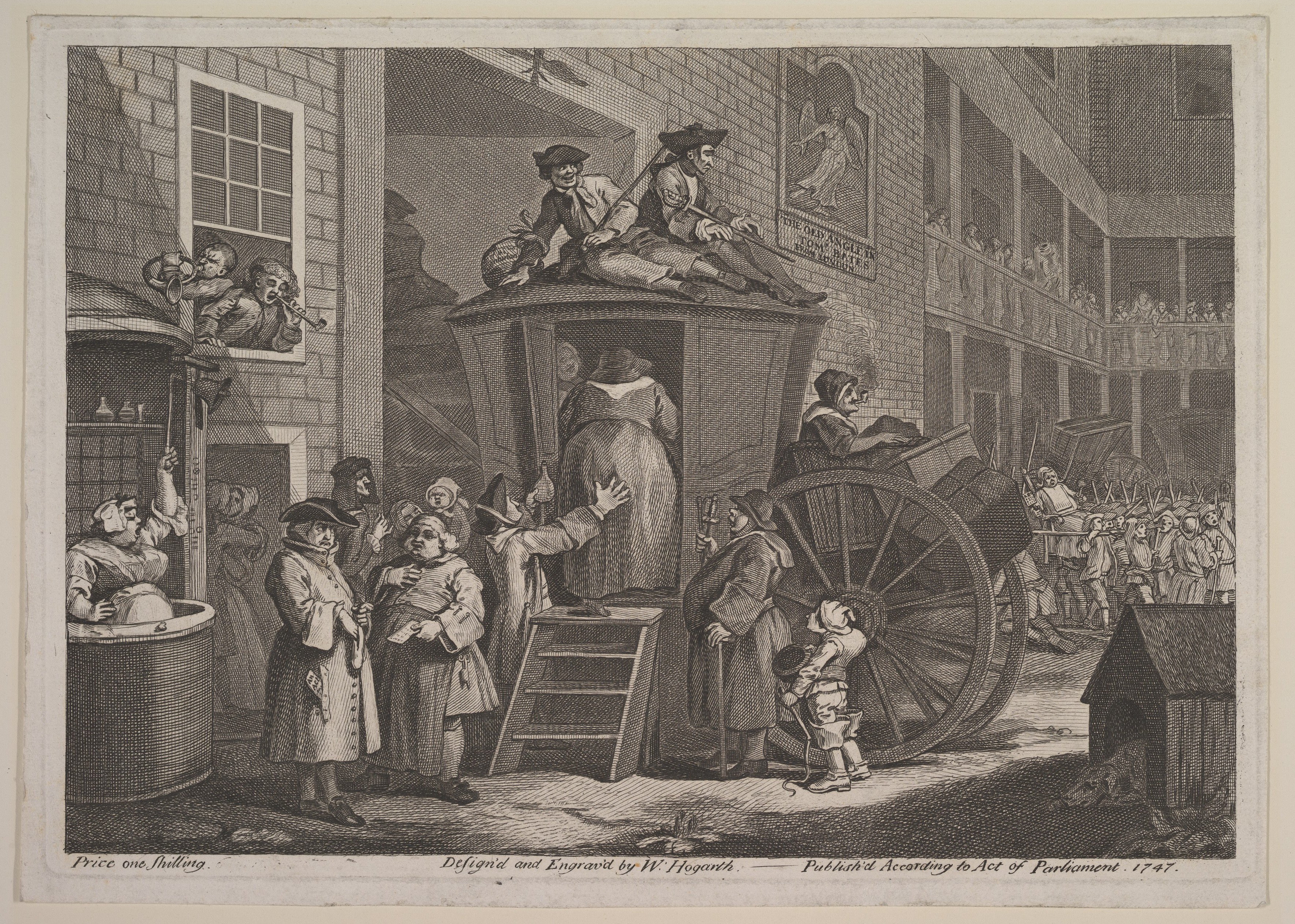
William Hogarth | The Stage Coach, or Country Inn Yard | The Metropolitan  Museum of Art
Loading the stagecoach – Hogarth

The romantic image of the stagecoach, as seen on hundreds of Christmas cards, portrays the coach’s arrival at a snowy inn, horns being blown to warn the landlord to make ready for the hungry passengers. But the real experience must have been less glamorous: unheated and crowded. Travel by stagecoach became quicker and somewhat more comfortable during the later eighteenth century, thanks to better turnpike roads and steel springs. However, it was always expensive and never popular, many men and some women preferring to ride their own (or hired) horses. Hogarth’s print satirises the discomforts of being squeezed into a small compartment for a long day’s journey, while those travelling ‘outside’ (at cheaper rates) were always in danger of falling off. But by the early nineteenth century the trip from Derby to London could be done in one long day, saving the expense of hotels enroute.

Peacock Hotel, Four Lane Ends, Oakerthorpe, near Alfreton, c 1950?s
The Peacock, Oakerthorpe in the 1950s

Stagecoaches were so-called as they had to travel in stages, changing horses every 10-12 miles. Pulling such a heavy load (at least half a dozen passengers, the coachman and the coach) horses needed to be rested after that distance. Consequently coaching inns were built in most towns served by stagecoach routes, but also at strategic points along the roads. They can often be identified by an arch to allow the coach to enter the yard behind, as at the Red Lion in Wirksworth. The Peacock at Oakerthorpe (now called Pestos at the Peacock) was sited at the junction of two important turnpikes: Nottingham – Newhaven and Derby – Chesterfield. The name ‘Peacock’ suggests a connection with the Duke of Rutland, whose family symbol this is. Another coaching inn financed by a great Derbyshire landowner was the Newhaven Hotel, built by the Duke of Devonshire at the junction of the Nottingham turnpike with the Derby – Buxton route.

The Red Lion, Wirksworth

The growth of travel by stagecoach led to the development of a huge ‘horse economy’, requiring not only coachmen but ostlers, farriers, chambermaids, cooks and other indoor staff. The larger inns would have stabled at least 100 horses. This all went into decline after 1840, as the railways spread over the country and provided much cheaper and more comfortable travel, although in the more remote parts of Derbyshire stage coaches continued in use to the 1880s.

Saints and sinners

Carving of pilgrim, Youlgrave church

This figure from Youlgrave church is thought to represent a pilgrim, with his (or her) staff and waist-hung satchel. We often think of pilgrimage in terms of the great medieval shrines of Christianity such as Santiago or Canterbury, but during the high middle ages (about 1100 – 1300 CE) many pilgrimages must have been more local, perhaps within a day’s journey of the pilgrim’s home. In Derbyshire, abbeys such as Dale as well as churches like St Alkmund’s in Derby would have attracted pilgrims. The main draw was the burial place of a saint or the ownership of a holy relic, such as a flask of Mary’s milk.

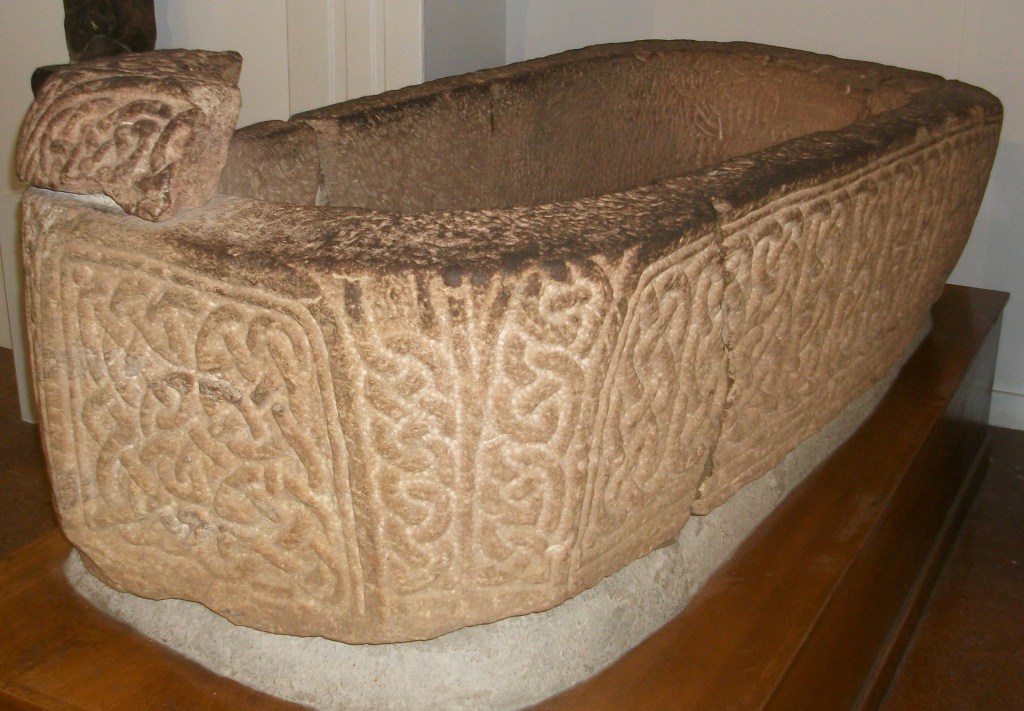
Sarcophagus in DerbyMuseum

Pilgrims hoped that being close to the remains of a holy person would benefit them in some way. Many were seeking a cure for an illness, often with the belief that a particular saint would help with certain conditions. Others might be making the journey as a penance, to compensate for some crime or misdemeanor. St Alkmund was a local saint who was murdered in Derby in the eighth century, and whose impressive stone sarcophagus can be seen in Derby Museum – the (rebuilt) church was demolished to make way for the city’s ring road.

St Bertram’s church, Ilam

Another local saint, although actually in Staffordshire, is St Bertram at Ilam near Ashbourne. He also lived in the Saxon period, becoming a hermit after his wife and child were eaten by wolves. One unusual feature of the church is that the shrine of the saint has survived, perhaps due to the remote location of the village. Most aspects of pilgrimage, such as shrines and relics, were removed during the Protestant Reformation of the sixteenth century. Yet although discouraged, pilgrimage was hard to suppress, and saw an effective revival in the growth of spa towns such as Buxton in the eighteenth century.

Ex-votos, Passau, Bavaria

In Britain there are few relics of pilgrimage, but in Catholic areas of Europe such as Spain or Bavaria it is possible to find displays of ex-votos such as the example above. These are often small paintings of a miracle rescue or healing brought about by the local saint, and given to the church in thanksgiving. In other places models of the afflicted body part, such as arm, foot or head, are displayed. Clearly, in an age of very limited medical knowledge, making a pilgrimage was often seen as an effective remedy.

The story of the lane

Hearthstone Lane near Castle Top farm

It is rare to find a historic written description of a Derbyshire road: most literate people in the past took the state of the roads for granted. Therefore it’s especially interesting to have an account of Hearthstone Lane, which runs north from Castle Top farm to Riber, and is today a bridle path. This was written by Alison Uttley, who was brought up at the farm in the late nineteenth century, in her memoir ‘Ambush of Young Days’. She says:

This latter was the old highway, dating from long before any of the roads in the valley. We knew, from family tradition, that the packhorses travelled along it, and that lead from the Roman mines in the hills was once carried down its winding slopes on ponies’ backs. It wandered up to the crest of the hills, cutting through some of our fields, and then it followed the high ridge, between two stone walls, with the land dropping on either side to two valleys. This hill road was grass-covered, and only horses and cows went along it in those days, with sometimes a countryman who was visiting us, the pig-killer, the mole-catcher, the hedger or the thatcher’.

Higher up Hearthstone Lane

Less than a mile from Castle Top farm is the site of an old cottage, easy to miss if you haven’t read Uttley: ‘The Boggart House was sinister, ghostly, and I crept up on tiptoes, although the grass in the lane hid all sound.There were stories about this cottage, which was said to be haunted. I had no fear of the ghost, but of one of the inhabitants. A man and his wife lived there, a good couple, living the most lonely life imaginable … But with them dwelt their son, who had had an accident in the quarries, long ago. He had two noses, it was said, and this is what alarmed me’. Today there are still gooseberry bushes growing in what was their garden, but it seems extraordinary that a family could have lived there, so remote even from a well.

The site of the Boggart House

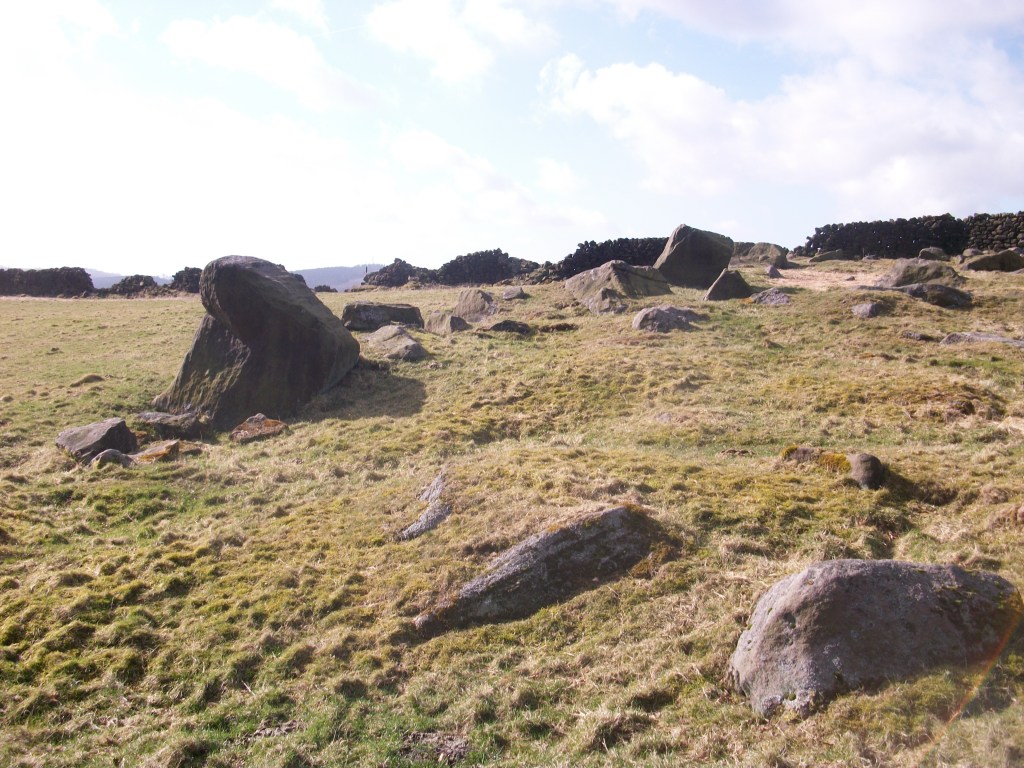
The Lane is partly a ridgeway, as Uttley appreciated, and the highest point, before it drops down towards Riber, is called Bilberry Knoll. In the field here are a collection of large stones, and it is thought that these are the remains of a megalithic structure which once crowned this hilltop. Given the names of many roads in the vicinity (Holestone, Cuckoostone, etc) it seems likely that this was the Hearthstone (or Heartstone?) after which the Lane was named. Many of these prehistoric sites were destroyed by puritanical landowners who saw them as idolatrous, pagan remains, and this may have been the case here.

Bilberry Knoll

A trip to London in the 1660s

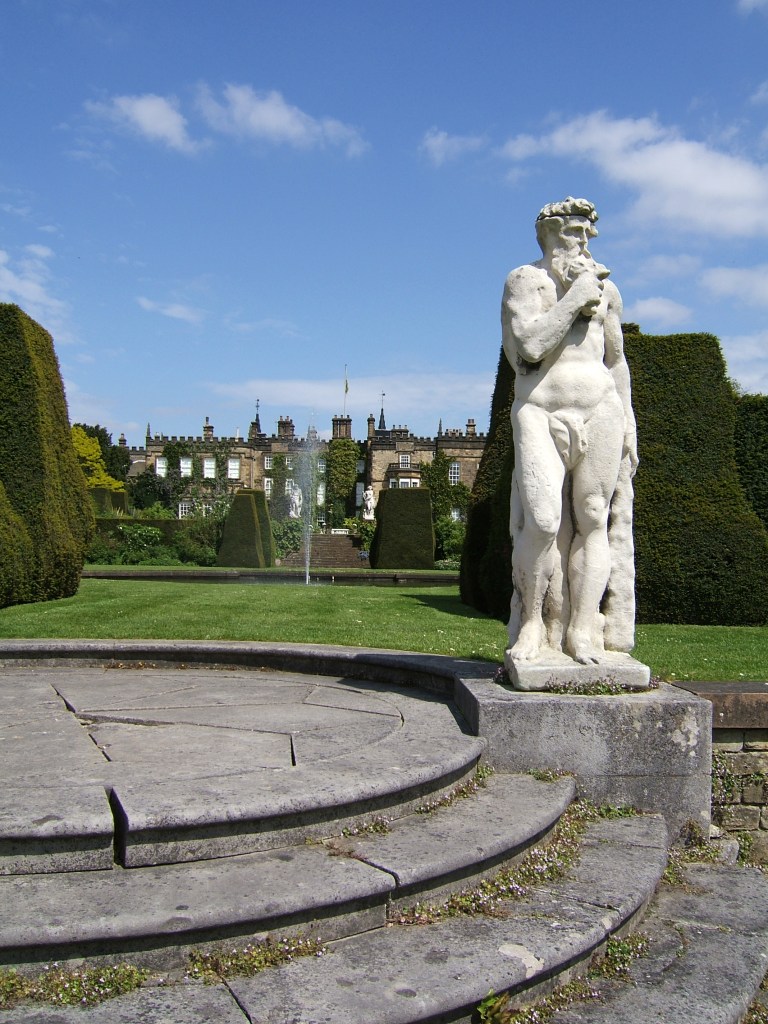
Renishaw Hall, home of the Sitwell family

The reality of travel for the wealthy in the 1660s is illustrated by Sir George Sitwell’s description of his ancestor’s annual visits to London from Renishaw Hall, at Eckington near Sheffield. This was usually at the end of April, when the roads were again passable:

His plans were laid a month or six weeks in advance, and a week or ten days before starting a box or trunk of clothes was sent on by carrier. He left Renishaw at seven o’clock in the morning, attired in a riding suit, top boots, a horseman’s cloak and a ‘mounteroe’ or Spanish travelling cap, of velvet. Pistols were borne in the holsters, for Sherwood was a noted haunt of highwaymen’.

He was accompanied by a footman, dressed in livery, carrying more clothes. It was a four day journey; the first night spent at Nottingham, the second at Harborough, and the third at Dunstable, with an average stage of about thirty miles.

‘In London, Mr Sitwell frequented the Greyhound Inn in Holborn …. and there he paid about eight shillings and fourpence a week for chamber rent and washing, and eighteen shillings and eightpence for hay and corn for his horses. Food and minor expenses came to about £1 6s. 8d. a week.

His stay in London usually lasted about a fortnight, and allowed him to meet family and friends as well as attending to business at his lawyer’s. He was also able to keep in touch with the political world via his cousin, Roger Allestry, an MP. But the fact that this trip required spending eight days on the road well illustrates the reality of seventeenth century life.

Sir George Sitwell, ‘Country Life in the Seventeenth Century’, in ‘Memorials of old Derbyshire’, 1907, Ed. C. Cox